What Is a Blind Shipment? What It Hides and Who Needs One

Short answer
A blind shipment is freight moved for a third party, usually a distributor, reseller or broker, who does not want the shipper and the receiver to learn each other’s names. The carrier issues paperwork that hides one party from the other, but the carrier itself still knows both. Blind service has to be requested before pickup, is often prepaid by the party asking for it, and is not something every carrier promises to pull off. On urgent freight it can also cost you a delivery guarantee, so ask before you book.
You sell a product you do not make. Your supplier ships it straight to your customer, and you would rather neither of them saw the other’s name on the paperwork. That is the job a blind shipment is meant to do.
It does that job on paper. What it does not do is erase the freight’s origin, overrule what is printed on the cartons, or hide anything from the carrier. Here is what a blind shipment actually hides, how carriers set it up, who uses it, and where it clashes with a tight deadline.
Blind shipments at a glance
| Question | Short answer |
|---|---|
| Who asks for it | A third party in the middle: a distributor, reseller, broker or drop-shipping seller |
| What it hides | The shipper’s name from the receiver, the receiver’s name from the shipper, or both |
| What it does not hide | Anything from the carrier, and anything printed on or packed inside the freight |
| When to ask | Before pickup. Some carriers treat a late request as a reconsignment |
| Who pays | Usually the party that asked, prepaid, on top of the line haul |
| Is it guaranteed? | Not always. Some carriers promise a diligent effort, not a result |
| Urgent freight | Some LTL carriers exclude blind shipments from their guaranteed delivery services |
What is a blind shipment?
Carriers define it in their rules tariffs, the documents that set the terms for their services. PITT OHIO’s tariff describes a blind shipment as one where “a third party controls the movement of the freight but does not want the shipper or Consignee to know the name of the other.” TForce Freight’s rules tariff uses almost the same words: the carrier or another third party controls the movement, and the owner of the goods does not want either side to know the name of the other.
Shippers use “blind” loosely. Sometimes only one side is hidden, such as the supplier’s name kept from the end customer. When both sides are hidden from each other, it is often called double blind. Either way, the shipment has three parties, and the one in the middle is the one paying for the privacy.
What a blind shipment hides, and what it does not
A blind shipment is a paperwork arrangement between the third party and the carrier. It does not take the parties off the record. Federal rules require a motor carrier’s receipt or bill of lading to show the names of consignor and consignee, the origin and destination points, the number of packages, a description of the freight and its weight, and the carrier has to keep a record of that information. The carrier knows who is who. The blind part is what each end of the move gets to see.
The usual mechanism is a second bill of lading. In PITT OHIO’s version, two bills of lading are required. The first, from the shipper, shows the actual shipper and is consigned to the third party in care of the carrier’s terminal that serves the receiver. The corrected bill names the third party as the shipper and shows the actual receiver, and the carrier invoices from that corrected bill.
Read that corrected bill closely. PITT OHIO’s tariff says it identifies the third party as the shipper “with the shipper’s city, state and zip code.” The name changes; the place does not. A receiver who knows the market may work out who ships from that ZIP code.
The paperwork also cannot hide what travels with the freight. The carrier swaps documents, not cartons. Anything the supplier puts on or in the shipment goes straight to the receiver:
- Carton labels, printed tape or branded stretch wrap.
- Packing slips, invoices or price lists left inside the boxes.
- Pallet tags, return labels or a manufacturer’s name stenciled on a crate.
- A pickup or delivery contact name and phone number on the paperwork.
Blind paperwork on branded freight is a locked door in a glass wall.
Who uses blind shipments
The common thread is a business that sits between the maker and the buyer and earns its margin from that position.
- Distributors and resellers who have the manufacturer ship direct to the customer, and do not want the customer to buy from the manufacturer next time.
- Freight brokers and 3PLs who arrange the move for a client and do not want the shipper and receiver to start dealing with each other.
- Drop-shipping sellers moving palletized orders from a supplier’s dock to a business customer under their own name.
- Companies that buy and resell surplus or returned stock and would rather the original source stayed private.
For each of them, the shipment is not the product. The relationship is. A blind shipment protects the relationship for one move, and the packing and paperwork decide whether it actually stays protected.
What carriers usually require
Blind service is an accessorial: an extra service with its own rules and charge. Terms vary by carrier, so read your carrier’s tariff, but PITT OHIO’s item shows the kind of conditions to expect:
- Ask before pickup. Only requests made before pickup are considered. A request after pickup is handled as a reconsignment.
- The carrier takes instructions from the third party, and must be satisfied that the third party has legal authority to control the shipment.
- Prepaid, by the party asking. The service charge and the line haul are billed prepaid to the party that requested it, and that party needs established credit with the carrier.
- A flat charge on top of everything else, listed in the tariff.
- Section 7 of the bill of lading cannot be signed.
- Effort, not a promise. The carrier “will make a diligent effort” to execute the request, “but will not be responsible if such service is not executed.”
That last line deserves attention. If keeping the parties apart really matters to your business, the carrier’s tariff may not give you any recourse if it fails. Your own packing and paperwork are the part you fully control.
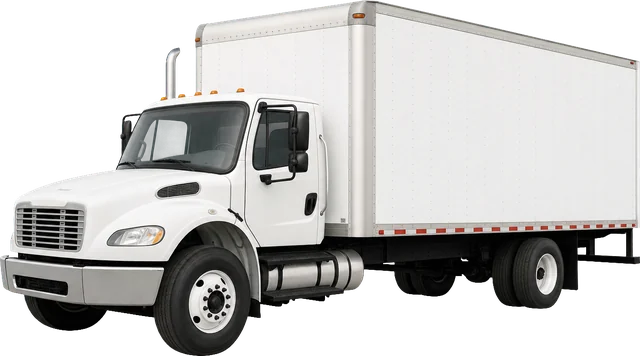

Freight That Can’t Wait or Share a Truck?
Vic’s runs cargo vans to straight trucks across the US and Canada, one shipment per vehicle, driven straight through. Send the pieces, dimensions, weight and deadline.
Get an instant quote →Blind shipments and urgent freight
Blind service and speed pull in different directions. Blind service adds steps: a second bill of lading, an invoice built from the corrected bill, a credit check on the party asking. Speed depends on removing steps.
Some carriers make that conflict explicit. In TForce Freight’s tariff, the delivery guarantees for its LTL Guaranteed, LTL Guaranteed A.M. and TForce Accelerated Guaranteed services do not apply when any condition in a listed table exists, and “shipments subject to provisions of blind shipments” are on that list, next to items like reconsigned shipments and missing or inaccurate shipping documentation. The freight still moves. The guarantee you may have paid for does not cover it.
In LTL, a blind shipment also goes through the carrier’s terminal network. PITT OHIO’s process consigns the freight to the third party in care of the terminal serving the receiver. Every stop is a point where the freight waits and where paperwork changes hands. If you are choosing between faster LTL and a vehicle of your own, the trade-offs are laid out in expedited LTL vs guaranteed LTL vs dedicated.
So when a shipment is both blind and urgent, ask two questions before you book, and get both answers in writing:
- Can you handle this blind request on this service?
- Does the delivery guarantee or committed time still apply if you do?
A guarantee with an exception for your exact shipment is not a guarantee.
What this looks like in practice
A distributor drop-ships to a new account. A parts distributor sells three pallets to a new customer and has the manufacturer ship them direct. The distributor books the move, requests blind service before pickup and asks the manufacturer to ship with plain wrap and no packing slip. The customer receives freight that names the distributor as shipper. The paperwork still shows the manufacturer’s city and ZIP code, which the distributor accepts.
A broker forgets to ask in time. A broker arranges a load and realizes after pickup that the original bill of lading shows the real receiver to the shipper. Under a tariff like PITT OHIO’s, a request after pickup is no longer a blind shipment request; it is handled as a reconsignment, with its own rules and charges. The shipper has already seen the receiver’s name on the original bill.
A reseller needs it there tomorrow. A reseller has a customer whose line stops without a replacement part, and the supplier is two states away. The reseller wants it blind and wants it guaranteed. On a guaranteed LTL service with a blind exclusion like TForce Freight’s, it can have one or the other. The reseller asks the carrier directly which one it is getting, before the freight moves.
What you can control
- The timing of the request. Ask for blind service when you book, not after pickup.
- The supplier’s packing. Agree in writing on plain cartons and wrap, no packing slips or invoices inside, and no labels that name the source.
- Every document that travels. Check the bill of lading the receiver will sign, the delivery receipt and any customs or hazmat paperwork for names, addresses and phone numbers.
- The contact names. Use your own company as the contact for pickup and delivery questions, so the driver does not call one party about the other.
- The service level. If the freight is urgent, confirm that the delivery guarantee survives the blind request. If it does not, decide which one matters more.
- Who handles problems. If the freight arrives damaged, the receiver needs to know whom to call. Make it you. The dock steps are in concealed freight damage: what to do after you sign.
A blind shipment keeps names apart on paper, for one move, as long as everyone does their part before pickup. The carrier can swap documents; only you can make sure the freight itself does not give the game away. When the shipment is also urgent, the question is no longer just who sees what. It is whether the service you are buying still promises the deadline. If the freight needs a vehicle of its own to make that deadline, Vic’s runs cargo vans, sprinters, box trucks and straight trucks, one shipment per vehicle. Get an instant quote and tell us the pieces, the dimensions, the weight, any paperwork requirements and when it has to arrive.