Finding Direct Shippers for a Box Truck
Who ships on straight trucks, how to find them, and what a shipper asks for that a broker does not.
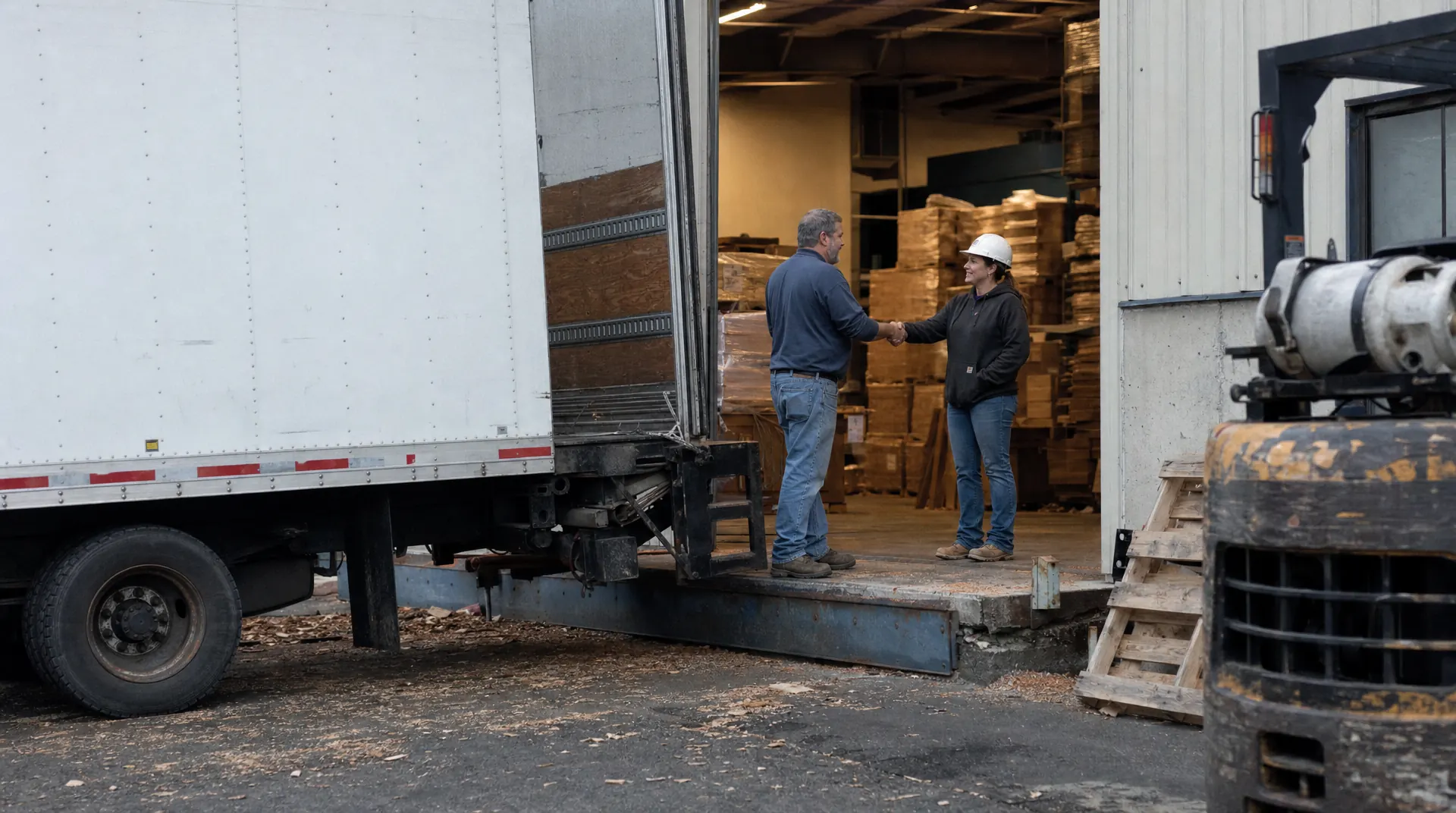
A direct shipper is the company that actually owns the freight, with no broker between you and them. The pay is better because the broker’s margin stays with you, but you have to do the work the broker was doing: finding the freight, checking the credit, and holding the paperwork together. That trade is the whole subject of this guide.
What is a direct shipper and why does it pay more?
It is the manufacturer, distributor or retailer whose product is in your truck. When you haul for a broker, the broker has quoted the shipper a price and pays you less than that price – the difference is what pays for the broker’s sales team, credit risk and collections. Going direct means that difference stays with you and so does the work behind it.
That is the honest framing. Direct is not free money; it is a different job with a better margin. If you do not yet know your own cost per mile, you cannot tell whether a direct rate is actually better, only that it is bigger.
Which shippers actually use a straight truck?
The ones whose shipments are too big for a parcel carrier and too small or too frequent for a tractor-trailer. In practice that is a recognisable list: building supply and flooring, furniture and appliances, restaurant and food service distribution, printing and signage, event and trade-show equipment, medical and lab supply, and retail store replenishment.
What they have in common is a delivery problem, not a trucking problem: a liftgate, a residential or downtown address, an appointment window, an inside delivery. A box truck solves those, and a 53-foot trailer does not. That is the argument you are actually making when you call.
How do you find them?
- Look at what you already hauled. The bill of lading names the shipper and the consignee. Loads you took from a broker tell you which companies in your area ship freight your truck fits.
- Drive the industrial parks you already pass. Docks with box trucks at them are the ones sized for you. This is unglamorous and it works.
- Ask at the dock. The shipping manager is the person who decides, and they are standing right there while you are loaded.
- Watch for the freight that keeps repeating. A lane you have run four times for three different brokers is one shipper’s regular volume being resold.

Need Loads While You Build Direct Accounts?
Vic’s works with box truck owner-operators, pays weekly, and never forces a load. Apply in about a minute.
Apply to drive with Vic’s →What do you need before you approach one?
A shipper’s onboarding is stricter than a broker’s, and the requests are predictable: active operating authority, a W-9, a certificate of insurance issued directly by your agent naming them as certificate holder, and often cargo coverage above the level a broker accepts. Check your policy limits before the conversation, not after – our guide to box truck insurance covers what those limits actually mean.
Expect a written carrier agreement rather than a load-by-load rate confirmation, and expect payment terms measured in weeks. A broker pays quickly because factoring is built into the model; a shipper pays on its own accounts-payable calendar, and net-30 is normal. You need the cash to sit through that.
What does the first conversation look like?
Short, specific, and about their problem. You are not asking for freight in general; you are telling the shipping manager what you have – box length, liftgate or not, pallet capacity, the area you cover – and asking what they currently struggle to move. The useful answer is usually a single recurring lane or a delivery type their existing carrier handles badly.
Then quote that one thing, run it well, and let it grow. Most direct relationships start as one lane, not as a contract.
What goes wrong?
Three failures account for most of it. Credit: you skipped checking whether the shipper pays, and with no broker in between there is nobody to collect from but them. Capacity: you promised coverage you cannot hold and lost the account on the first week you were already loaded. Concentration: one direct customer becomes most of your revenue, and their bad quarter becomes yours.
The last one is the same risk that comes with a dedicated programme, and it is worth reading about before you take either.
Where to start
Pull the bills of lading from your last twenty loads and write down every shipper name within your operating area. That list already exists, it cost you nothing, and it is better targeted than anything you could buy.
From there, getting box truck contracts covers how the agreement itself is put together, the rest of the owner-operator guides cover the pieces around it, and if you would rather have the freight found for you, that is what our box truck contracts are.