TONU: When a Cancelled Load Should Still Pay You
When truck order not used should pay you, what the TONU term on your rate con must say, and what to record when a load falls through.
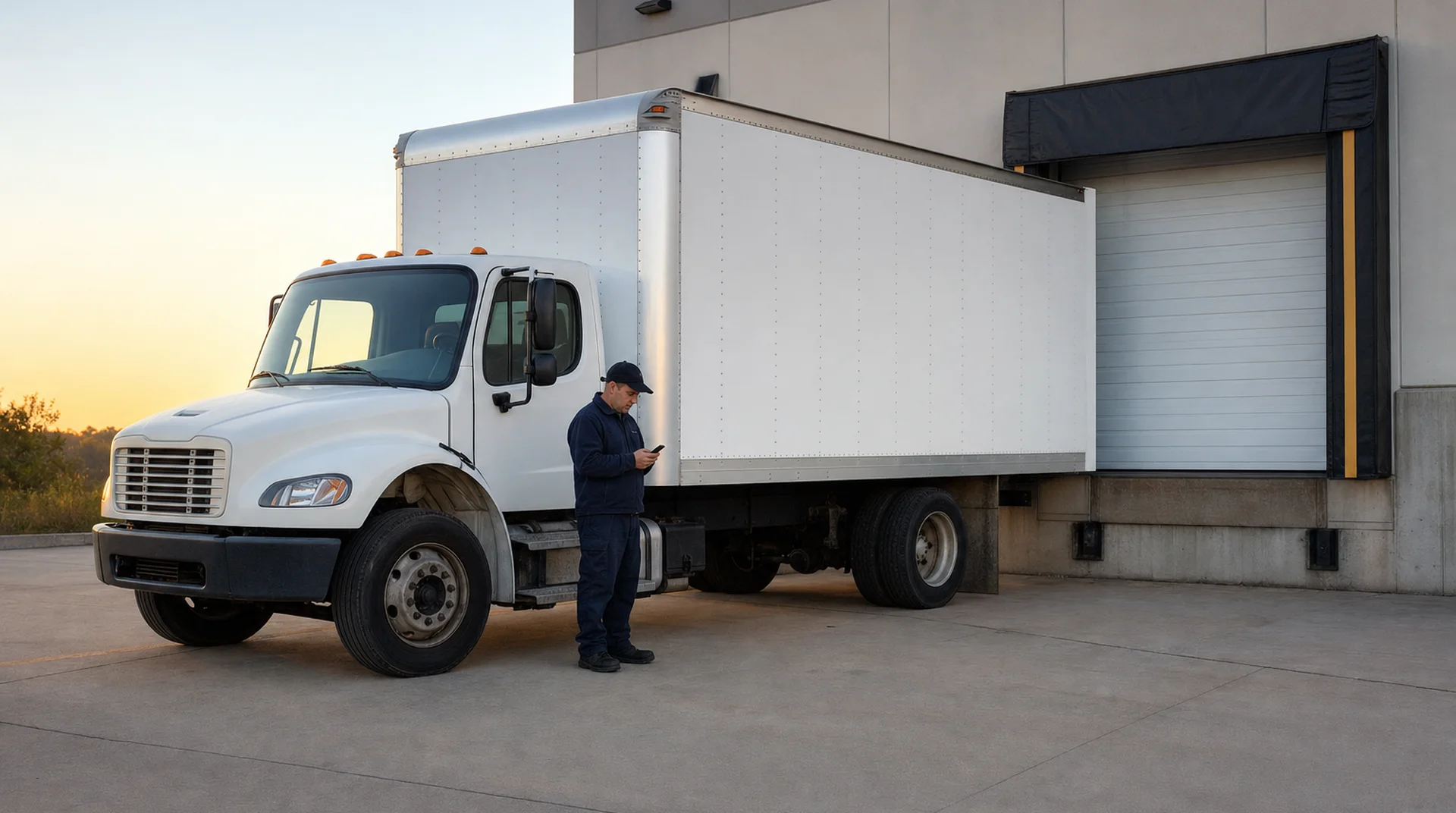
You took the load at six in the morning, drove an hour empty to the shipper and backed into the door. Then the shipping clerk walked out and said the order was pulled. No freight today. The broker apologizes, promises you a better load tomorrow and hangs up. You burned the fuel, the morning and the only load you had lined up, and nobody has said a word about paying for any of it.
That is what truck order not used, or TONU, is for. This guide covers when a cancelled load should still pay you, what has to be on paper for that to happen, and how to ask for it so the request is hard to refuse. It is general practice for a box truck or cargo van owner-operator running under their own MC. Every broker writes these terms differently, so the point is what your rate confirmation says, not what is common.
What is TONU in trucking?
TONU is a flat charge a carrier bills when a truck was ordered and dispatched for a load, and the load did not move for reasons on the shipper or broker side. It is not paid for time, the way detention is. It pays for the commitment: you held your truck for that load, turned other freight down and spent money getting there.
It is a contract term. Whether you get it, how much and on what conditions comes from the rate confirmation for that load and the broker-carrier agreement behind it. If neither one mentions TONU, you are asking for a favor, not billing a charge.
When should a cancelled load still pay you?
The people who pay TONU check the same few facts. One freight audit company, which reviews these charges for shippers, says it investigates every TONU to verify that someone requested a pickup, that a truck came to make the pickup and that no freight was picked up (Universal Traffic Service). It also says “a significant number” of the TONU invoices it sees are not valid, because at least one of those conditions did not happen. Read that list from your side and it becomes a test for your own claim:
- The load was yours. A signed rate confirmation for this load, under your MC, with the pickup date and time on it.
- You acted on it. You were dispatched, rolled toward the pickup or arrived there, inside the time the rate con gave you.
- The load did not move, and it was not your fault. The broker or shipper cancelled, the freight was not ready, or the shipper refused it, and none of that came from your truck, your paperwork or your timing.
- The term exists. The rate con or the agreement says what TONU pays and under which conditions, such as how close to pickup the cancellation has to come.
If all four hold, you have a claim. If the third one is shaky, for example you were late for the window or the truck did not fit what the rate con asked for, expect a no, and expect it to be fair.
TONU at a glance
Here is how common cancellation situations tend to sort out, assuming your rate con has a TONU term at all.
| What happened | Usually owed? | What decides it |
|---|---|---|
| Cancelled after you signed the rate con and were dispatched | Often yes | The cutoff in the TONU term, and proof you were rolling |
| You arrived on time and the freight was not there or not ready | Yes, if the term covers it | Arrival time against the window, and who confirmed there was no load |
| The shipper refused to load you because of your truck or paperwork | No | Whether the truck matched what the rate con required |
| Cancelled before you signed anything | No | There was no load agreement yet |
| You arrived late and the shipper gave the load away | No | Your arrival time against the appointment |
| The load moved, but a day later than planned | Not TONU | That is layover or detention, if your rate con has them |
What should the TONU term on your rate con say?
A good TONU term answers three questions: how much, when it applies, and what you have to show. Here is what one published accessorial sheet looks like: “For any same day cancellations that have been booked for longer than 2 hours a $150 TONU will be issued for solo drivers or $250 for team drivers” (Denim accessorial charges). That is one company’s sheet, not a market rate, but it shows the shape: an amount, a trigger and a cutoff.
Before you sign, look for these on the rate con or in the agreement it points to:
- The amount. A flat number, not “TONU per broker policy.” A policy you have never seen is not a term.
- The trigger. Whether it pays only if you arrived, or also if you were cancelled while rolling.
- The cutoff. How late a cancellation has to come before TONU applies, counted from booking, dispatch or the pickup time.
- The proof. What the broker wants to see: a time-stamped location, a photo, a name at the shipper.
- The deadline. How soon after the cancellation you must request it, so a late invoice does not lose it.
If the TONU line is blank or vague, that is the moment to ask, while the broker still needs a truck. Our rate confirmation checklist covers the rest of the page.

Have your own MC and need steady freight?
Vic’s partners with cargo van, Sprinter, box truck and straight truck owner-operators who run under their own MC. Nationwide, time-sensitive freight and weekly direct deposits. We review your MC and truck info within one business day.
Apply to drive with Vic’s →What should you record when the load falls through?
The cancellation is the moment your claim gets built or lost. Do this before you pull away from the dock:
- Write down the times. When you were dispatched, when you arrived and when you were told there was no load. Your ELD or phone location history backs them up.
- Get a name. Who at the shipper told you, and what they said. “Order cancelled” and “freight not ready” are different stories.
- Take a photo. The truck at the gate or the door, with the building in the frame. It shows you were there and on time.
- Tell the broker in writing. A text or email from the facility: “On site at 7:52 for pickup 123, shipper says no freight today, requesting TONU per the rate con.” That message is time-stamped proof that you reported it while it was happening.
- Do not leave on a phone call alone. If the broker asks you to wait, ask how long and whether detention applies. If they release you, get the release in writing.
The same habits that win a detention claim win a TONU claim. Our guide to detention pay goes deeper on what an ELD record does and does not prove.
How do you ask for TONU so it gets paid?
Send the request the same day, while the people involved still remember the morning. The audit company above says carriers often invoice a TONU several days after it allegedly happened, and lists that delay as one reason its checks take weeks. Make yours easy to approve:
- Load number, your MC and the rate con, with the TONU line pointed out.
- Dispatch, arrival and cancellation times, with the name of who cancelled.
- The photo and your written report from the facility.
- The amount, exactly as the term states it, and nothing extra.
Ask for a revised rate con or a written approval that shows the TONU amount, then invoice it like any other load. If the broker offers a make-up load instead, decide on its own merits. A better load tomorrow does not pay for today, and you can accept both.
What if the broker will not pay?
Start with the paper. If the TONU term is on the rate con and your four facts hold, say so plainly and send the evidence again. Keep it calm: the person on the phone is often waiting on the shipper to approve the charge before they can pay you.
If there is still no answer, put the request in one email with every document attached and keep a copy with your load file. A written request with proof is what you will point to later, whether you raise it with the broker’s management, your factoring company or anyone else. And if a broker cancels on you more than once and never pays, the fix is not a better argument. It is fewer loads from that broker.
If there was no TONU term at all, you can still ask. Some brokers will pay something to keep a reliable truck. Then add the term to your next rate con with them.
Where to start
On your next rate con, find the TONU line before you sign. If there is an amount, a trigger and a cutoff, you are covered. If not, ask for them while the broker still needs your truck. Keep times, a name and a photo every time a load falls through, and send the request the same day. When you compare carriers to work with, read how to read a box truck owner-operator offer for what to get in writing there. Or you can apply to drive with Vic’s.