Cross-Border Expedited Freight (US-Canada): What Causes Delays and How to Avoid Them
An expedited US to Canada run is rarely lost on the highway. It is lost at the border, when something on paper was not ready. Here is what causes the delays and how to get across clean.
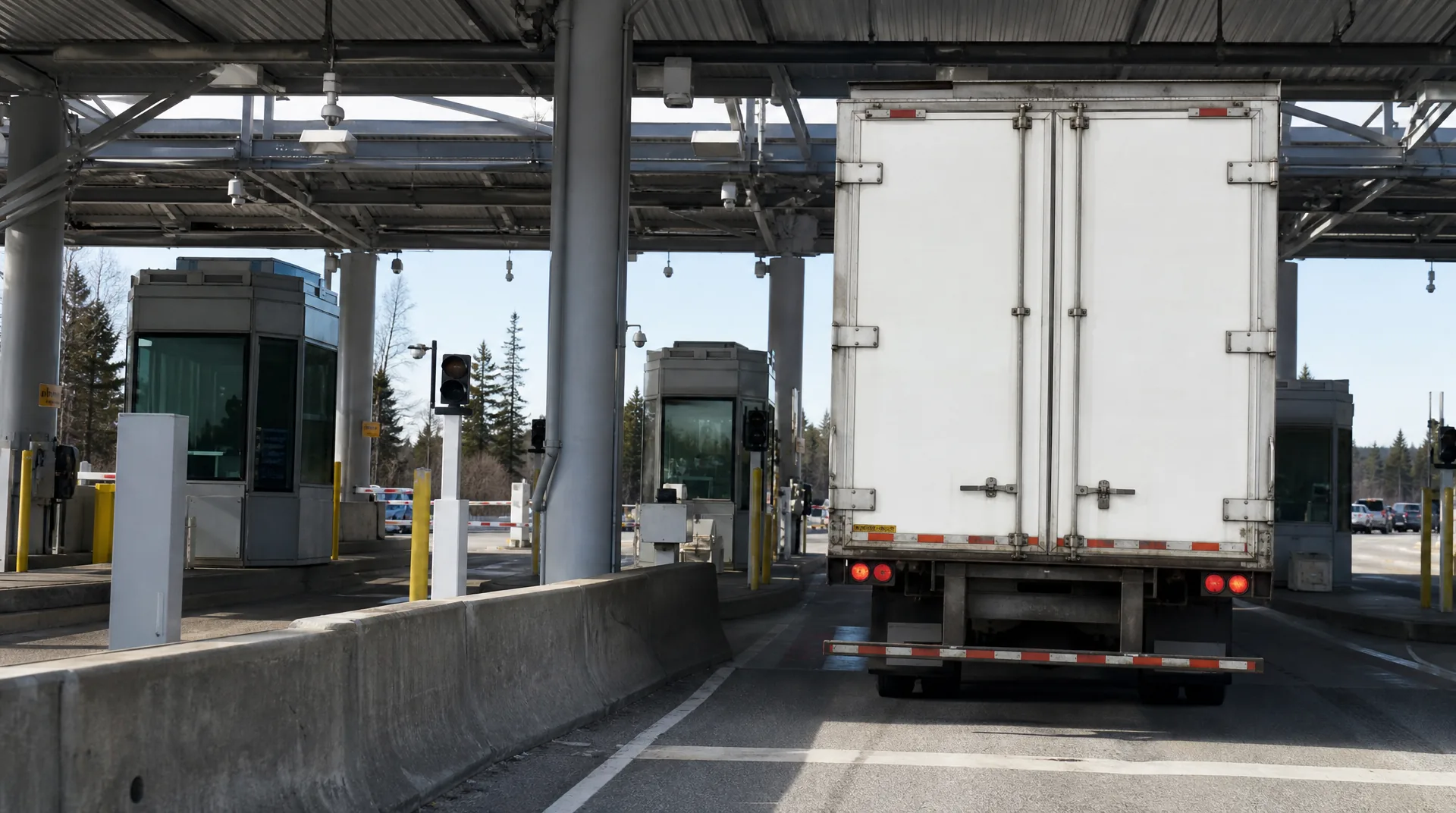
An expedited run between the US and Canada is usually not lost on the highway. It is lost at the border, where a truck that was moving fine sits and waits because something on paper was not ready.
The drive time is the part you can plan. The crossing is the part that stalls, and almost every stall traces back to the same handful of misses. Get those right before the truck rolls and the border becomes a stamp instead of a delay.
What actually causes a border delay
The truck is rarely the problem. The paperwork and the timing are. Most held shipments come down to one of these:
- The shipment was not reported to the border ahead of arrival. Highway carriers have to send advance electronic data before the truck shows up. Roll up without it and the load waits.
- The customs broker was not lined up, or was not told the shipment was coming. If nobody is ready to clear it on the other side, the truck holds until someone is.
- The commercial invoice is incomplete or does not match the freight. A missing value, a vague description, or a country of origin that is not stated all slow the release.
- The classification or valuation is off. If the goods are coded wrong or valued in a way that does not add up, the shipment gets a second look instead of a wave through.
- The carrier or driver is not set up for the crossing. A truck that is not enrolled in the programs a lane runs on, or a driver missing the right documents, can turn a routine crossing into a slow manual one.
- The load gets pulled for an exam. Some of that is random, but incomplete paperwork raises the odds, and an exam adds time you did not plan for.
- Bad timing. A busy crossing, a broker office that is closed, or an appointment that lands outside clearing hours can hold a truck that was otherwise ready.
Getting the paperwork right before the truck rolls
Nearly all of that is avoidable, and none of it happens at the border. It happens at the shipping dock, before the wheels turn. The move is set up so the crossing is already handled by the time the truck arrives.
- The commercial invoice is complete and matches the freight: full description, value, quantity, and country of origin. No blanks, nothing left to guess.
- The goods are classified and the paperwork is consistent, so the numbers on the invoice, the manifest, and the release all line up.
- The broker of record is confirmed and has the documents in hand before the truck reaches the line, so the release can be filed and cleared ahead of arrival.
- The shipment is reported to the border in advance, and the reference the driver carries is matched to that filing so it can be pulled up on the spot.
Vic’s coordinates this with your team and your customs broker. We move the freight and keep the documents with it. We are not a customs broker and we do not file your entry, but we make sure nothing on our side is the reason the load sits.
A clean crossing, start to finish
Take a Windsor to Detroit run, or any short lane where the two sides sit an hour apart. The value is not raw speed. It is that nothing stops at the line. The invoice is complete before pickup. The broker has the paperwork and files ahead. The advance report is in, and the reference is confirmed as cleared before the truck arrives. The driver reaches the crossing with everything already lined up, hands over what is asked, and keeps moving.
Compare that to a load that shows up cold. Same truck, same lane, but now it waits while a broker gets found, an invoice gets fixed, or a report gets filed that should have gone in hours ago. The drive was identical. The border is where the two runs split. On a short lane, that gap is the whole reason you paid for an expedited run in the first place.
How to avoid the common misses
Before a US to Canada shipment moves, have these settled:
- Who the customs broker is on the clearing side, and that they know the shipment is coming and when.
- A complete commercial invoice: description, value, quantity, and country of origin.
- The advance report filed and the reference confirmed, so clearance can happen before arrival rather than after it.
- The crossing and the hours: a lane and a timing that fit when the broker and the receiver are actually open.
Settle those and the border is a formality. Leave them open and the truck pays for it in hours it did not need to lose. The freight that crosses clean is the freight that was ready before it left the dock.
Where Vic’s fits
Vic’s runs dedicated, single-custody expedited ground between the US and Canada: one vehicle, one driver, the documents moving with the load from pickup to delivery. We coordinate the crossing with your customs broker so the paperwork clears ahead of the truck instead of after it, and we keep the freight in one set of hands the whole way, which is the same reason expedited removes the extra handoffs that slow a standard move down.
Get an instant quote. Tell us the lane, what you are shipping, and who clears it, and we will get it across the border and to the door without the wait.